admin_GP
03/09/2025
Step outside in the early hours of the morning, and the world feels different. The air is cool, the streets are quieter, and the first rays of sunlight slowly awaken the earth. Then it begins—the soft coo of pigeons, the cheerful chatter of sparrows, and the melodic call of bulbuls. This orchestra of sounds is not just background noise—it is nature’s way of greeting the day. Bird watching, or birding, is one of the most enriching ways to reconnect with the natural world, and it’s an activity that requires nothing more than patience, curiosity, and a willingness to look up.
Why Bird Watching Matters
Birds are among the most visible and accessible forms of wildlife. Unlike other creatures that may hide in deep forests or oceans, birds are everywhere—perched on wires, hopping in backyards, flying over cityscapes, or nesting in rural trees. Observing them is more than a hobby; it’s a window into the health of our environment.
In India, where over 1,300 bird species can be spotted, bird watching becomes a fascinating journey through seasons and landscapes. From the migratory Siberian cranes visiting wetlands to the bright plumage of Indian rollers dancing across farmlands, every region and season has its own birding surprises.
Bird watching also teaches us patience, mindfulness, and respect for nature. In a world rushing with screens and schedules, pausing to watch a bird build its nest or feed its chicks is a form of meditation.
Getting Started with Bird Watching
Many people assume birding requires expensive binoculars or field guides, but the truth is, you can begin right where you are.
Best Times and Places for Birding
Birds are most active during early mornings and late afternoons, when they forage for food.
Bird Watching with Children
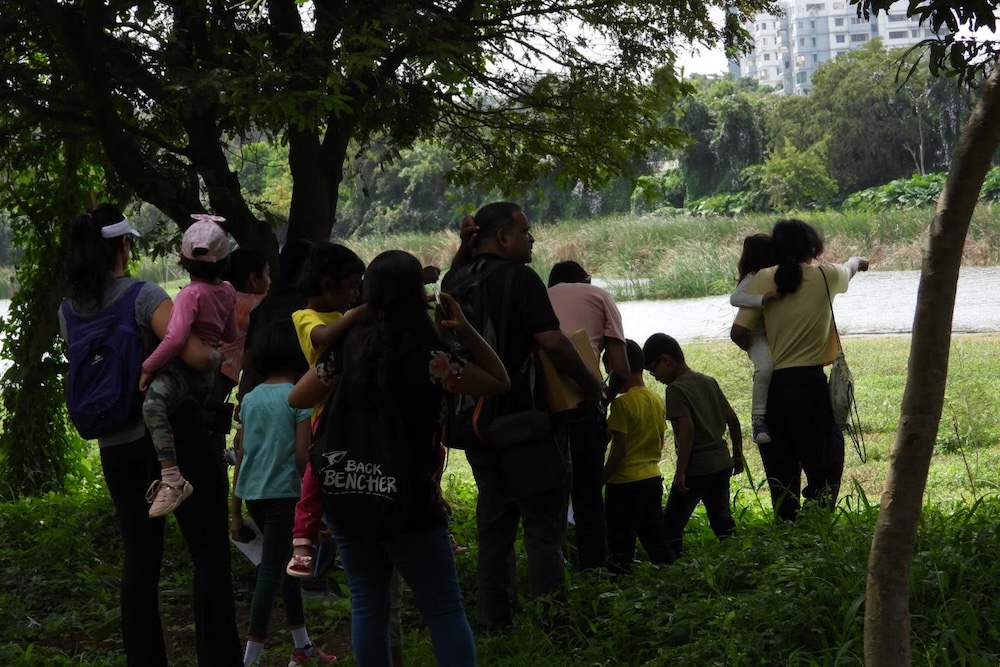
Introducing children to bird watching is like handing them a key to a hidden world. It sharpens observation skills, nurtures curiosity, and builds empathy for all living beings. You can turn it into a fun family activity:
Beyond the Hobby – The Deeper Connection
Bird watching is more than spotting species; it’s about slowing down and connecting. It teaches us to appreciate details we often ignore—the way a tailorbird stitches leaves to build its nest, or how a sunbird hovers delicately over a flower.
On a personal level, it offers calmness and reduces stress. On a collective level, it raises awareness about conservation. Many bird habitats are under threat from urbanization, pollution, and climate change. By observing and appreciating them, we become more conscious stewards of their survival.
Practical Tips for Beginners
Closing Reflection
Next time you hear a bird call outside your window, don’t dismiss it as noise. Step closer, listen, and watch. You’ll notice that every bird has its own rhythm, its own role, its own story. Bird watching is not just about identifying species—it’s about learning to see life differently.
As you stand under the morning sky, binoculars in hand or not, you’ll realize the true gift of bird watching: a reminder that we are part of a vast, interconnected world that sings every single day.